 LanguageLanguage
Professional Team
Jinan Enying Machinery Manufacturing Co.,Ltd is an enterprise specializing in the research, development, production and sales of new abrasive products. We are the leader in China's food machinery, especially the stone grinding industry. The company has gathered a group of outstanding talents in scientific research, production and sales, creating a professional team with strong R&D capabilities.
Rich Manufacturing Experience
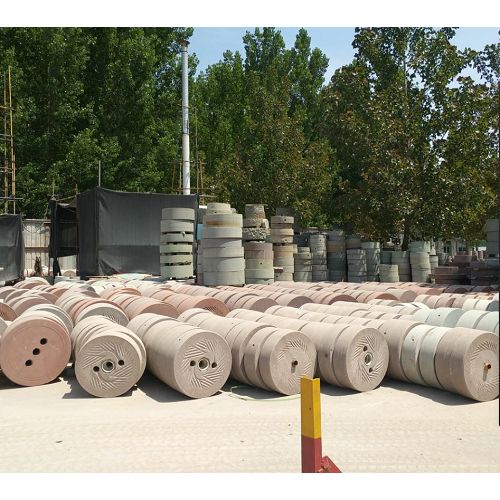
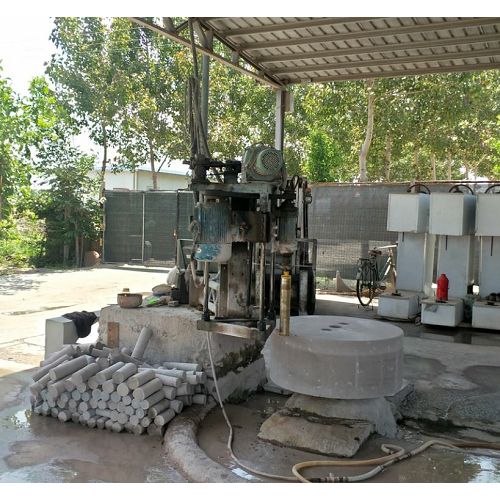
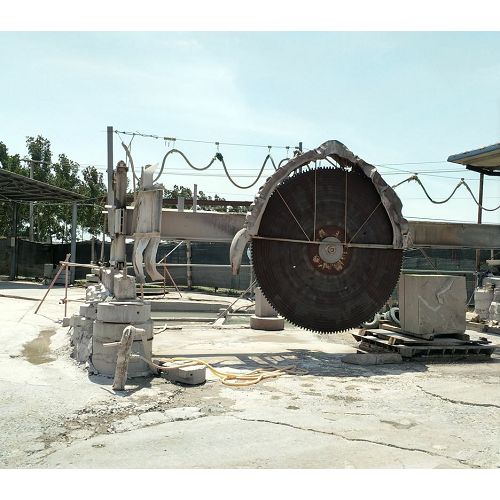
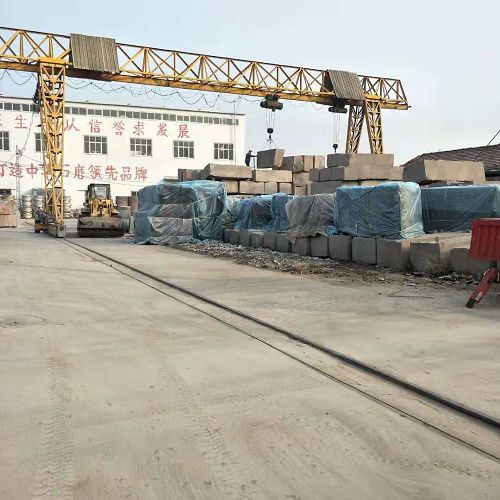
We have more than 40 years of experience in the production of stone grinding equipment, focusing on the design, innovation and manufacturing of food processing machinery, with a 5,000 square meter modern standardized production workshop. Fully automatic high-precision molding machines and semi-automatic standardized production lines enable annual output to reach 50 million pieces.
Strict Quality Management
Our company's abrasive products are made of high-quality raw materials. We have a strict and standardized quality control system, and each product undergoes quality testing before leaving the factory. We use sophisticated testing equipment to ensure the high quality of our products. The product quality meets EU export standards and is exported to more than 50 countries and regions in Europe, the United States, Southeast Asia, and South America.
24 Hours Service
We have a dedicated service team that can quickly respond to your inquiries at any time. And service personnel will provide you with timely feedback from consultation, order follow-up to after-sales, so that you can know the latest status of production and delivery, and enable your sales plan to be implemented on time.
What Is Peanut Butter Machine?
Stone mill peanut butter grinding machine used to process grain, such as rice, sesame, and beans into powder or pulp. Usually made of two cobblestones. The stone mill is a flat two-story building. The junction between the two floors is textured. Peanuts enter the middle of the two floors from the upper hole and move outward along the texture. The peanuts are ground as they are rolled across the two levels to form peanut butter. It is mainly applied to the production and processing of families, restaurants, supermarkets and catering industries. Can process milk, rice milk, sesame, sesame oil, peanut butter and so on.

The contact material of this machine adopts the whole stainless steel design and manufacture, the processing material is pure and pollution-free, conforms to GMP standards.
Motor used in this machine is copper wire motor, to relieve customers' worries.
This machine can handle fluid, semi-fluid and other flowing materials, according to the properties of materials, the fineness can reach 2-50 um.
This machine is widely used, and specific materials can be improved according to customer's requirements. Can replace stone mill, sand mill, ball mill, milk machine, emulsifying machine, three roller machine, and so on.
Lower Loss & Breakage Leaks
Peanut butter machines are very efficient as they experience lower loss and breakage leaks. In the longer run, it is cost-effective and very time-efficient. One can use them to make peanut butter without any trials and tribulations.
Make Peanut Butter Anytime You Want
One good advantage to peanut butter machines is that you’ll be able to make the fresh peanut butter whenever you want. The process is easy, safe, and enjoyable, with the peanut quality well-controlled by a professional peanut butter maker. Not only the professionals but the laymen can also use these peanut butter-making machines in Kenya with ease.
It’s a Great Investment
Peanut butter machines are a great investment for anyone who wants to start a business to earn extra income. A peanut butter machine is a small investment for getting started, and the returns it brings are unbdoubtedly fruitful.
High Discharge Fineness
The high-speed rotation of the nut butter grinder machine produces huge friction and shear force to ensure the fineness of ground peanut butter. You can achieve finer peanut butter fineness by adjusting the control handle and multiple grinding.
Peanut Butter
Peanut butter grinder machines are primarily used to produce peanut butter. The machine grinds roasted peanuts into a smooth and creamy paste that is then used to create peanut butter.
Other Nut Butter
Peanut butter grinders can also be used to make almond butter, cashew butter, and hazelnut butter. This is due to the fact that the machine can grind several nuts and seeds.
Sauces and Dips
Peanut butter grinders can be used to produce a variety of sauces and dips. This is because the machine can efficiently grind a wide range of ingredients to a smooth and consistent texture.


To grind a full jar of healthy, fresh, and pure peanut butter, simply follow these steps.
Insert peanuts into the hopper at the top of the machine - you can use whole peanuts or pieces of peanut.
Place an empty jar below the dispensing spout. You may start feeling some excitement by this step. Don't worry, it's natural!
Start the grinding process by pressing the green button. In a few moments, delicious peanut butter should already be coming out.
Once the nut butter has reached the edges of the jar, you can stop the grinding process by pressing the red button.
Let the nut butter settle in the jar. You can speed this up slightly by gently rocking the jar left to right.
Repeat these steps until you have a jar filled to the brim with healthy, fresh, 100% pure hazelnut butter!
The whole process should take no more than 15 seconds in total.
Capacity
The machine’s capacity should correspond to the needs of your business. If you own a small cafe, a tabletop machine with a lower capacity will serve your purpose. Yet, if you operate an industrial kitchen or food processing factory, you may want larger equipment with a greater capacity.
Power
The machine’s power will decide how quickly and effectively peanuts can be ground. A more powerful machine may be able to process larger quantities of peanuts and generate peanut butter faster.
Adjustable Grinding Fineness
The peanut butter making machine achieves ultra-fine grinding, with particle sizes ranging from 200 to 50 meshes and a homogeneity of over 90%. In addition, this machine allows for easy and precise adjustment of processing gaps, ensuring high-quality processing and optimal grinding results.
Durability and Build Quality
The main components of the peanut butter making machine are constructed from high-quality stainless steel, providing corrosion resistance and non-toxic properties. The use of stainless steel in critical parts such as the stator and rotor, along with special machining and heat treatment processes, ensures high precision and a long operational lifespan.
Price
Different Peanut butter grinder machines have different prices. It is essential to select a machine that not only fits your budget, but also fulfills your needs in terms of capacity, power, and durability.
To clean a peanut butter machine, it is important to stop its operation and disassemble the components. If you can, use water to clean the waste residue. If you cannot remove the parts, you can use a brush and water to wipe them. Then, wipe the rest of the parts. Then, reassemble the components. This process is best to be done once a month. If you are using the machine regularly, you may want to change its cleaning routine.
The best way to clean a peanut butter machine is to follow these simple steps:
First, make sure you unplug the kick off gadget. After that, you can clean the filter. To do this, remove any residues on the interior of the machine. You should also use a dry cloth to wipe the entire surface. Ensure that you wipe the surface of the unit gently with a cloth. Do not use water to clean it as it can damage the motor.
Secondly, you should thoroughly clean the interior of the machine. The cleaning liquid should not have any scent. The lubricant should have a neutral pH and should be able to remove the stain. You should also wash the jar to prevent it from deteriorating.
It is better to buy a new one than a used one. In addition to the above tips, you should always remember to follow a regular maintenance schedule.
Precautions for Using the Peanut Butter Making Machine
Before Using the Machine
Before using the peanut butter grinding machine for making cocoa liquor, check whether the fastening bolts are tightened. And use a wrench to turn the rotor to check whether the rotor is stuck. If the rotor is not tightened, can not operate the machine.
Connect the cooling water connector to the equipment and connect the inlet and outlet water. The cooling water pipe can use a plastic hose with a diameter of φ10 mm. This approach is to prevent friction from generating a lot of heat and damaging the machine during grinding.
Finally, you can put in some peanuts for trial grinding to determine the fineness of ground peanuts. Rotate the adjustment handle clockwise, the gap between the stator and rotor becomes smaller. And the particle size of the material becomes finer. Rotate the adjustment handle counterclockwise, the gap between the stator and rotor becomes larger. Then the particle size of the material becomes coarser.
During Use
The peanut butter making machine is not suitable for processing dry solid materials, only wet processing. The feed size should be less than 1mm. Materials should be cleared of debris before entering the equipment. Hard objects such as iron and gravel particles are strictly prohibited from entering the equipment to prevent damage to the machine. If the first grinding does not reach the desired fineness, you can perform two or more grindings.
After Using the Nut Grinder Machine
After using the peanut butter machine each time, you should clean it with water. And please clean the machine while the machine is running. If the nut grinder machine will not use for a short period of time, it is best to use high-pressure air to dry it to prevent corrosion.


The Peanut Butter Machine
Peanut butter machine is designed specifically for grinding peanuts and other ingredients into a smooth paste. The fundamental principle of this machine revolves around a rotor and stator driven by a motor, rotating at a high speed. As the processed material passes through the gap between the fixed and rotating teeth, it undergoes shear force, friction force, and high-frequency vibration. These physical effects effectively emulsify, disperse, and crush the material, achieving fine crushing and emulsification.
The Homogenizer
In contrast, a homogenizer is primarily utilized for creating a uniform dispersion of oil, water, emulsifiers, and other components. By subjecting the feed liquids to high pressure and speed, the homogenizer cuts them into small particles, forming either a uniform oil-water phase or water-oil phase. The principle behind a homogenizer involves the material flowing down to the lower homogenizer after being sheared, compressed, and folded by the stirring blades. It undergoes a series of processes, including strong shearing, impact, and turbulent flow between the rotor and stator of the homogenizer, which rotate at high speeds. The vacuum state within the emulsion pot prevents the formation of bubbles during the stirring process. Homogenizers are commonly employed in various industries such as ice cream production, essence production, and the chemical industry, particularly when there is a need to incorporate oil, water, emulsifiers, or other components into the feed liquid.
Simultaneous Use and Benefits
In certain scenarios within the food industry, particularly during the production of soft drinks like fruit juice, cola, and dairy products, employing both a peanut butter machine and a homogenizer simultaneously can yield significant benefits. Traditional peanut butter machines on the market often generate heat during operation, which can lead to the deterioration and denaturation of essential components and nutrients present in food and beverage products, as well as bioengineering or pharmaceutical materials. However, by utilizing a homogenizer in conjunction with a peanut butter machine, this issue can be circumvented. The combined use of these machines allows for efficient grinding and emulsification while minimizing the rise in temperature. Consequently, the risk of compromising the integrity of vital components and nutrients is mitigated, ensuring the preservation of product quality.
Strict quality management and testing systems ensure that products comply with industry standards and export standards of European and American countries, providing high-quality products to global customers.

The production workshop covers an area of 5,000 square meters and has multiple high-precision intelligent production lines with an annual output of 50 million pieces, which can efficiently complete your orders.
Q: What equipment is used to make peanut butter?
Q: Is it better to make peanut butter in a blender or food processor?
Q: What is a peanut butter machine?
Q: What is the industrial process of making peanut butter?
Q: What are the equipments used in peanut butter production?
Q: How does a peanut machine work?
Q: How many steps are involved in industrial peanut butter production?
Q: What is peanut butter production?
Q: What kind of oil is used in peanut butter?
Q: How do you thicken peanut butter?
Q: Is peanut butter hard to process?
Q: Is it better to make peanut butter in a blender or food processor?
Q: Can your peanut butter machines handle other types of nuts?
Q: How easy is it to operate and maintain your peanut butter dispenser?
Q: How does the peanut butter machine work?
Q: What are the different types of peanut grinding machines?