 LanguageLanguage
Professional Team
Jinan Enying Machinery Manufacturing Co.,Ltd is an enterprise specializing in the research, development, production and sales of new abrasive products. We are the leader in China's food machinery, especially the stone grinding industry. The company has gathered a group of outstanding talents in scientific research, production and sales, creating a professional team with strong R&D capabilities.
Rich Manufacturing Experience
We have more than 40 years of experience in the production of stone grinding equipment, focusing on the design, innovation and manufacturing of food processing machinery, with a 5,000 square meter modern standardized production workshop. Fully automatic high-precision molding machines and semi-automatic standardized production lines enable annual output to reach 50 million pieces.
Strict Quality Management
Our company's abrasive products are made of high-quality raw materials. We have a strict and standardized quality control system, and each product undergoes quality testing before leaving the factory. We use sophisticated testing equipment to ensure the high quality of our products. The product quality meets EU export standards and is exported to more than 50 countries and regions in Europe, the United States, Southeast Asia, and South America.
24 Hours Service
We have a dedicated service team that can quickly respond to your inquiries at any time. And service personnel will provide you with timely feedback from consultation, order follow-up to after-sales, so that you can know the latest status of production and delivery, and enable your sales plan to be implemented on time.
What Is Flour Mill?
A flour mill machine is a piece of equipment that is used to grind grains into flour. It is an essential tool in the food industry as it helps produce one of the most important food staples worldwide - flour. The machine works by taking in grains and processing them into fine flour particles that are then used to make a variety of food products such as bread, cakes, and pasta.
Stone Flour Mills
Stone flour mills, also known as burr mills, are the oldest type of flour mills. These mills are made from two circular stones with a hole in the center that are placed on top of each other. The top stone is turned by a handle, which grinds the grain between the two stones. This type of mill produces coarse flour and is often used to make whole wheat flour, as it preserves more of the nutritional value than other milling methods.
Steel Burr Mills
Steel burr mills, also known as impact mills, are the most common type of flour mill used today. These mills use a series of steel plates with teeth or grooves to grind the grain. The grain is fed into the mill, and the plates rotate at high speeds to grind the grain into a fine flour. This type of mill produces very fine flour and is ideal for baking breads and cakes.
Roller Mills
Roller mills use a series of rollers to grind the grain into a fine flour. The rollers are arranged in a series of parallel lines, and the grain is fed into the top of the mill and is crushed between the rollers as it passes through. The rollers can be adjusted to produce different grades of flour, from very coarse to very fine. This type of mill is often used to produce bread flour, as it produces a coarser texture than other milling methods.
Electric Flour Mills
Electric flour mills are the most modern type of mill, and they use an electric motor to turn the grinding stones. These mills are fast and efficient, and they produce a very fine flour. Electric flour mills are ideal for those who want to produce fine flour quickly and easily.

Multiple Uses: It can be used to grind all types of spices including pepper, turmeric and so forth. In addition to spices, it can also be used to grind cereals such as rice, bajra and wheat.
Different Sizes: It is available in different sizes so it is quite easy to choose the most appropriate machine. As the requirement of each family varies from one another, domestic mills can be chosen according to the requirements.
Different Types: Flour mills are available in both electrical and manual varieties. Manual grinding mills are ideal for grinding and powdering small quantities of flour. The electrical mills are suitable for powdering large quantities. These grinding machines have electrical switches and include a number of advanced features. Some of the most attractive features include speed adjustment facilities, different levels of crushing and so forth.
Efficient and Faster: One of the most advantageous features of these machines includes its incomparable efficiency and speed. Compared to the ancient milling tools, it is much more efficient, safe and fast.
High Efficiency: The flour roller mill machine makes it possible to process a large amount of grain in a short time, reducing the need for manual labor.
Consistency: Using the machine ensures that the flour produced is of a consistent quality, making it ideal for commercial use.
Cost-Effective: The machine helps businesses save on labor costs and energy consumption, ultimately increasing profitability.
Easy to Operate: Flour roller mill machines are easy to operate, meaning that less skilled labor is required to run the process.
Improved Quality: The machine produces flour with a higher degree of purity, removing unwanted impurities in the grain. The end product is a cleaner, healthier flour.

Removing the Impurities
During the initial process, the wheat grains are thoroughly washed to eliminate any irrelevant materials that might be present with the grains. These materials can be weed seeds, dust particles, or stones that can damage the flour mill machine. After washing, it is then passed through the aspirator to absorb and clean any item weighing less than the wheat grain that might have skipped the first cleaning stage.
Analyzing the Chemical and Physical Grading
In this step, the samples of cleaned what are used for chemical and physical grading analysis. Then, they are arranged as per their protein content. Later, the ones with the highest protein level are mixed to produce the top-grade wheat flour.
Milling the Wheat Flour
The wheat grains are then milled by passing them through the flour milling machine’s two giant metal rollers, often known as the breaker rolls. The breaker rolls help open up the what grain by separating the outer layer from the inner components. The grinding stage of the flour milling process produces three levels of elements as an end result, they are.
These end products are sorted and milled again, following the same procedure to produce various flour grades.
Equipment Design and Efficiency
The output per hour of the flour mill, speed of the motor, and operation design directly input the cost of milling per hour. It is an excellent consideration to have the average price of milling based on the needs of the business before embarking on designing the flour mill.
Cost
A flour mill that produces 10 tons a day costs US$ 6000, while one that produces 30 tons may cost US$ 37,500. The cost of a flour mill also incorporates its maintenance, availability of spare parts, the type of breakdown to be anticipated, and the availability of personnel to repair it. All these should be put into consideration before a business makes a purchase.
Applicable Material
The impact and stone burr grain mills are suited for hard, dry grains, while the steel burr grain mill will mill wet and oily grains. Before determining the mill to purchase, a business should consider which material they’ll grind.
The Quality of the Flour Milled
Determining the milling process, the quality of flour expected and how waste is to be handled is helpful for a business to establish before purchasing. The quality of the flour then helps determine the suitable flour mill.
The Capacity of the Flour Milling Machine
The capacity of the flour milling machine is determined by the available storage size of the flour mill. Businesses should build the plant and select the flour mill that suits their size.
Milling Speed
The purpose of the flour mill will determine this. An electric mill can produce over 80 tons per day. This is not suitable for a mill to be used for domestic purposes. Businesses with several tons to be milled in a day can opt for electric mills.
Application
Flour mills are compatible with different materials to be ground. Some flour mills are suitable for maize, others for wheat flour, and others are good for cassava milling. Businesses should determine the product to be ground before purchasing a milling machine.
Tips For Choosing the Most Reliable Flour Mill Manufacturer
Quality-Related Considerations
First, individuals scouting for dependable flour mill manufacturers should carry a wide range of quality checks before choosing the right manufacturers in the market. For example, buyers may have a deeper look at materials used to make various mill models as they further their search for the best options. Similarly, they should also consider a number of extra quality-related considerations like the machine's features, engine capacity, warranty terms, safety-related factors, and such other revealing clues.
Past Consumer Ratings
Since you're obviously not the first shopper to search for good flour mill machines in the whole world, it's advisable to read the reviews various manufacturers have received from their past customers. This vital background check acts as a foolproof precautionary tip that helps you steer clear of potential cons and online scammers masquerading as honest machine sellers.
Honest Referrals/Recommendations
In a similar vein, consumer hunting for the best flour mill manufacturers ought to talk to other more informed individuals who have bought similar machines before. Since such experienced people understand all potential pitfalls to avoid while shopping for the most dependable mill makers, they'll help first-time buyers with a few names of reliable manufacturers in the machinery industry.
Extensive Price Comparisons
Finally, people seeking great flour mill deals should conduct some thorough price-based research prior to selecting any particular suppliers. If you blindly fall for the very first options you come across as soon as you start your hunt, odds are decent that you'll end up buying otherwise cheap grinding machines at shockingly exaggerated prices while you could have acquired them at much lower prices elsewhere.


Check the Bearing Temperature Regularly
If the temperature is too high, operator shall check whether the lubrication and transmission parts work normally, whether the rolling distance is too tight, etc. The causes of these problems shall be found out in time, so that operator can take corresponding measures. If the situation is serious, the operator should stop the flour machine to check.
Check the Tightness of Driving Belt
If the belt is too loose, it will reduce the transmission efficiency and affect grinding effect; if too tight, it will easily cause heat to the bearings, increasing power consumption and reducing the service life of the driving belt.
Check All Drive Components are Tightly Secured
All transmission parts must be tightly fastened, and removed or installed by special tools. It is prohibited to directly use hammer or similar tools to hit.
Check Pneumatic Components Before Starting the Flour Processing Equipment
When starting flour machine, always check all the pneumatic components in the gas path, whether there is leakage or damage to the gas path and joints, and to check whether the supply gas pressure can meet requirements or not. Besides, the service condition of synchronous belt should be checked often: if too tight, too loose, bouncing, deviating, or wearing seriously, it should be timely adjusted, repaired or replaced.
Check the Oil Line Timely (Semi-Annually)
For the oil used in the oil pump of flour machine, user shall choose machine oil according to air temperature, or other hydraulic oil of the same viscosity. Oil line shall be checked every half year, and the impurities shall be cleaned.
Replace Grinding Roller Regularly and Orderly
The rollers cannot be replaced too many times, and the diameter disparity of the roller cannot be too large; the angle, inclination and the teeth number of the roller must be consistent with provisions; must keep a certain number of addendum surface.
1. Operators of flour mill machines should wear labor protection equipment, fasten cuffs and corners of clothes, keep them clean and tidy, no rope ends, and hair must be wrapped in work caps.
2. Each shift must designate a special person to be familiar with the performance of flour machinery and equipment.
3. Before working, check whether the insulation of each part of the electrical appliance is good and whether the grounding of the motor is reliable. It is strictly forbidden to press the switch button with wet hands. If there is a problem, have an electrician handle it.
4. According to the regulations of the wheat flour simple processing machine, dry flour should be used for kneading at one time, and it should not be overloaded.
5. Refuel regularly according to machine maintenance requirements.
6. The rotating parts of the wheat processing plant should not be touched. When abnormal noise, looseness, debris, vibration, and other abnormalities are found, the machine should be stopped for inspection and maintenance.
Common Faults in Flour Milling Machines and Their Remedies
The Motor is Faulty
Elimination method:
One of the main reasons for motor damage of flour processing equipment is caused by high temperature. High temperature may be caused by motor overload, lack of oil in bearings, dirt in bearings, bearing damage, etc.
Clean Up Screen Faults
Troubleshooting method:
Flour processing equipment cleaning sieve vibration or shaking sieve frame. The cause is a loose bolt or wedge.
There are wheat grains in the sand. The reason is that the internal air door of the stone discharge nozzle is small, or the inclination of the screen surface is not appropriate.
The wheat was broken too much. The reason is that the gap between the tooth plate and the screen is too small, and the screen hole is too large or damaged.
The Screw Stirrer is Faulty
Elimination method:
The grain mouth does not row grain. The reason is that the motor of the flour processing equipment turns wrong, the outlet is blocked, and the stirrer blade is broken.
The agitator shaft does not rotate. The reason is too much feeding, and transmission belt skid.
The Mill is Faulty
Elimination method:
The fuselage of flour processing equipment shakes. The coupling bolts between the grinding head and the frame should be tightened.
The output drops. Tighten the spring to ensure that the gap at both ends of the grinding roller is consistent, and the worn grinding teeth should be repaired.
The flour temperature is high. Should adjust the roller, if the roller wear seriously should be repaired or replaced; when the machine temperature is high, it will stop cooling.
Not out of the bran. Common reasons are spindle steering is not correct, screen frame sealing is not strict, or screen damage.
No powder or less powder. The common cause is screen blockage.
The Air Closers are Faulty
Elimination method:
Bad wind closure, the face bag may be sucked up. Common reasons are air leakage at the joints of flour processing equipment and impeller wear, etc. When the impeller is worn, a rubber plate can be installed at the outer edge.
The Cloth Filter Cylinder is Faulty
Elimination methods:
Indoor flying dust. The reasons are that the dust collector of the distribution box is not tight, the cloth tube is not tightly tied, and the air duct leaks.
There is too much flour in the cloth filter cylinder, due to large air volume, air leakage, or wear at the lower connection of the powder collector, and a large gap between the impeller and the shell.
Strict quality management and testing systems ensure that products comply with industry standards and export standards of European and American countries, providing high-quality products to global customers.

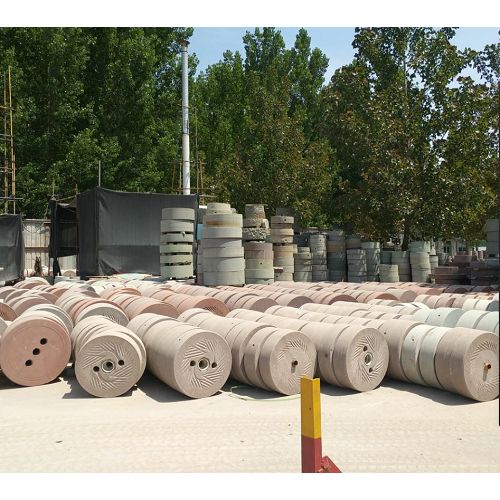
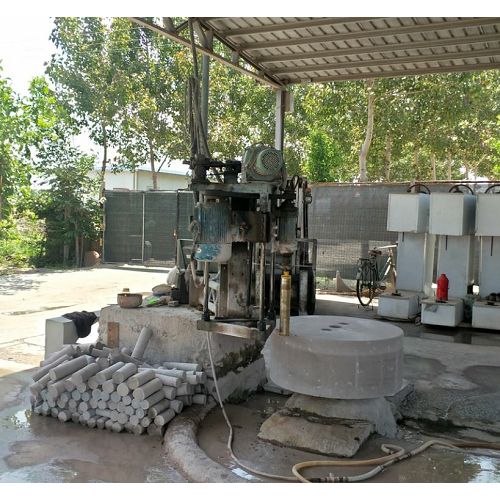
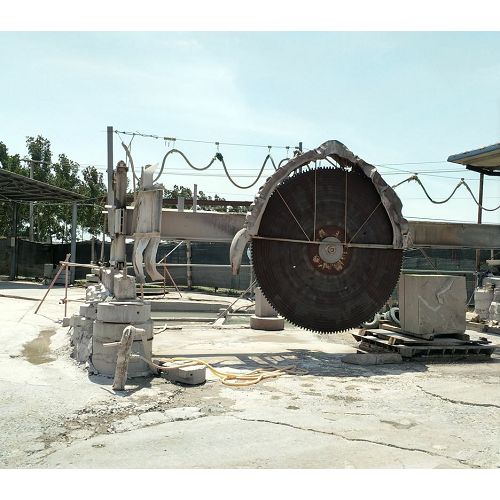
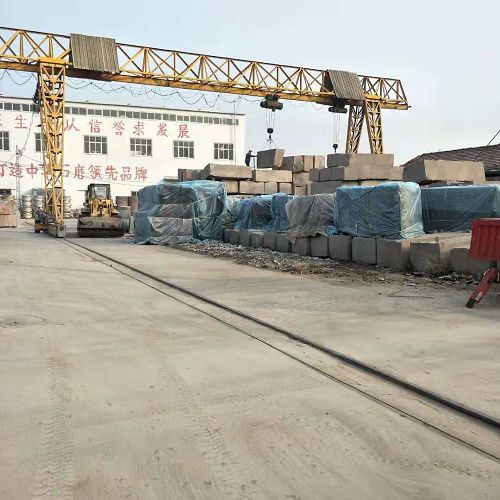
The production workshop covers an area of 5,000 square meters and has multiple high-precision intelligent production lines with an annual output of 50 million pieces, which can efficiently complete your orders.
Q: What is the function of the flour mill?
Q: How does a flour mill work?
Q: What is another name for a flour mill?
Q: Which type of flour mill is best?
Q: What is the difference between a water mill and a flour mill?
Q: Should I buy a flour mill?
Q: Is flour mill a modern technology?
Q: What grain to mill for flour?
Q: What is the difference between grinder and mill?
Q: Can you mill flour twice?
Q: Are flour mills noisy?
Q: What are the different types of flour mills?
Q: What do you grind in a mill?
Q: Is flour mill a good investment?
Q: What is the risk of flour mills?
Q: What is the advantage of flour mill?
Q: Why are flour mills important?
Q: What are the factors that affect the performance of automatic flour machines?