LanguageLanguage
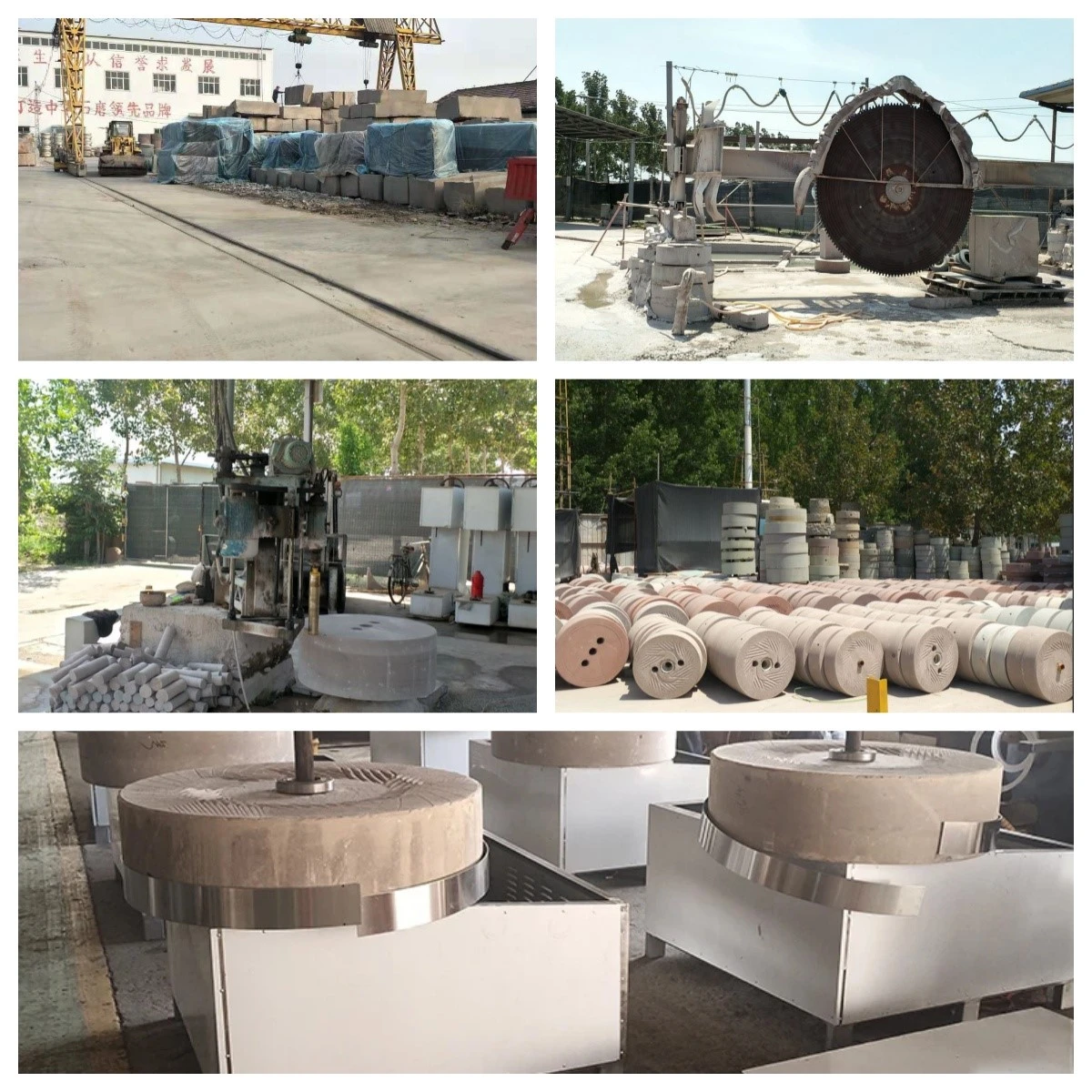
Jinan enying abrasive tools co ltd is an enterprise specializing in the research development production and sales of new abrasive tools products. the company is located in zhangqiu jinan (the beautiful spring city )shandong. it has a 5000 square meter modern standardized production workshop, an internationally leading full-automatic high-precision forming machine and a semi automatic standardized production line. and an annual production capacity of 50 million pieces of all kinds of abrasive tools.
Professional Team
The company has brought together a group of outstanding scientific research, production and sales talents representing the leading level of the industry, and has created a team that unites and forge ahead. The company has more than 50 employees, including 2 professional and technical research and development personnel, 6 professional technicians and professional sales and after-sales service team.
Quality Assurance
More than 40 years of experience in stone grinding production. The products are sold to more than 30 countries and regions such as Oman, Greece, Israel, USA, Sweden, Canada, Italy, Philippines, etc., and have been recognized by many overseas customers. With the latest technology research and development and stone selection, our company has become the leader in China's food machinery, especially the stone grinding industry.
Wide Product Range
Our products main include: Flap disc, flexible flap disc, vertical flap disc, mini flap disc, flap wheel, flap wheel with shank. grinding wheels , wool flap disc , clean and strip disc, non-woven flap disc and other coated abrasive products.
Wide Range of Applications
Our company combines traditional stone grinding with modern machinery to produce electric stone grinding suitable for factories, supermarkets, hotels, homes and other occasions.
What Is Roti Maker
COn basic terms, roti maker is a machine that works on pressure and heat. It enables you to cook many delicious rotis in a start span of time. Typically, the best roti maker machine consists of three parts, namely the base, hinged top, and a handle. If you want to know the specifications and prices of Roti Maker, please contact us!
Increased Efficiency and Productivity
One of the primary advantages of a roti maker for businesses is the significant boost in efficiency and productivity—traditional methods of making rotis involve manual labour, which can be time-consuming and labour-intensive. Roti makers automate the process, enabling businesses to produce a large quantity of flatbreads in a relatively short time. This increase in efficiency allows businesses to cater to higher demand without compromising on the quality of their products.
Consistent Quality
Maintaining consistent quality is crucial in the food industry. With a roti maker, businesses can ensure the uniform thickness and texture of each flatbread. These machines are designed to produce consistent results, eliminating variations that may occur in manual preparation. This consistency not only improves the overall dining experience for customers but also contributes to building a reliable brand image.
Cost Savings
While the initial investment in a roti maker may seem significant, the long-term cost savings can outweigh the expenses. Automated roti makers require less manpower compared to traditional methods, reducing labour costs. Additionally, these machines are designed for durability and efficiency, minimizing the need for frequent repairs or replacements. A roti maker's overall cost-effectiveness can positively impact a business's bottom line over time.
Customisation and Diversification
Roti makers offer businesses the flexibility to customize their flatbreads according to customer preferences. Whether it's adjusting the thickness, and size, or incorporating different ingredients, these machines can accommodate various specifications. This flexibility enables businesses to diversify their menu, offering a broader range of flatbreads to cater to different tastes and dietary preferences.
Time Savings
Time is a critical factor in the food industry. Roti makers can significantly reduce the time required for flatbread preparation, allowing businesses to serve customers more efficiently. This time-saving aspect is particularly beneficial during peak hours or when handling large catering orders. Quick turnaround times contribute to customer satisfaction and can lead to increased customer loyalty.
Hygiene and Food Safety
Maintaining high standards of hygiene and food safety is non-negotiable in the food industry. Roti makers are designed with materials that are easy to clean and sanitize, reducing the risk of contamination. Automation further minimizes the handling of food products, ensuring a more sanitary production process. This is not only essential for meeting regulatory standards but also for building trust with customers who prioritize food safety.
Adaptability to Market Trends
As consumer preferences and dietary trends evolve, businesses need to adapt quickly to stay competitive. Roti makers provide businesses with the adaptability to incorporate new ingredients or variations in flatbreads to align with emerging market trends. This ability to stay ahead of the curve can give businesses a competitive edge and attract a diverse customer base.


Budget
First and foremost is your budget.
It is said, everything good comes at a price, and so do automated devices.
There is a new market of smart home-products or domotics which are now available for sale. From automated switchboards, temperature controls to smart land mowers and security system – you can get an automated version of any electric home appliances.
Available automatic roti makers are expensive, to say the least. The price-range of automated roti makers isn't very wide but none of them is priced below 900$.
If that is beyond your budget, you can opt for a hand-operated roti maker which could cost around $25 to $30.
Saving up money to invest in an automatic roti-maker is a smart move that would yield results in the long run. It will improve the quality of your life by saving you time, money and the much-neglected sleep.
Usage of Roti Maker
Nowadays, roti makers are capable of making both rotis and parathas. Additionally, you are capable of making rotis in it without power supply. Usually, 1mm thick rotis can be made.
Reputable Roti Maker Brand
For good client support and service, popular roti maker brand should be chosen. As there are lots of reputable brands in the market, you can easily choose one of them.
Size of Tawa/Griddle
Tawa should be made of forged aluminium, which is basically known for balanced heat distribution. It should be non-stick in order to avoid usage of oil. Various sizes are available in tawa; however, size 8"-10" should be chosen for best rotis.
On/Off Indication Light
Although many brands don't provide this facility, you should always check this function first. For avoiding accidents, on/off indication light is needed.
Shockproof body with non-heating handle
This is an essential function you should check. The shockproof body helps safeguard a person against electrical leakage. The non-heating handle doesn't heat during working due to its cool feature.
Quantity Of Rotis Required
You must choose a roti-maker based on the number of rotis you require per day.
An average household requires 15 to 20 rotis per day. For that purpose the automatic roti-maker. Other than letting you choose the type of flour, level of thickness, oil content, and roasting, it can dispense 20 rotis at a time with each taking 90 seconds.
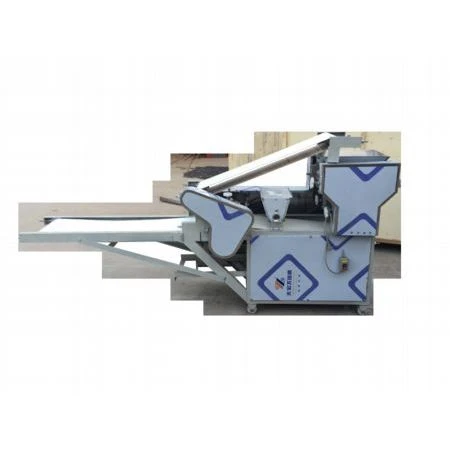
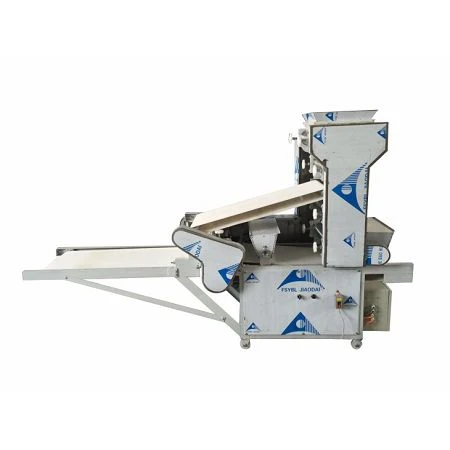
These large scale automatic roti-making machines can prepare from 800 to 900 rotis in an hour and are ideal for restaurants where rotis are made in large quantities.
Production Capacity
The first and foremost consideration is the machine's production capacity. Depending on your business's size and projected demand, choose a machine that can meet your daily output requirements without straining its performance.
Automation Level
Chapati making machines come in various automation levels, from semi-automatic to fully automatic. Determine the level of automation that aligns with your kitchen's workflow and available staff. While fully automatic machines offer higher productivity, they might require more technical expertise to operate and maintain.
Space Availability
Consider the physical space available in your kitchen for the machine. Measure the dimensions of the machine and ensure that it fits comfortably without hindering other operations.
Ease of Use
An intuitive interface and user-friendly controls are essential, especially if your kitchen staff might have varying levels of technical expertise. The machine should be easy to operate, program, and adjust for different chapati sizes and thicknesses.
Maintenance and Cleaning
Machines that are easy to disassemble and clean are crucial for maintaining hygiene standards in your commercial kitchen. Look for machines with easily accessible components and smooth surfaces that are easy to wipe down.
Customization Options
Depending on your menu and customer preferences, you might want a machine that allows you to customize chapati size, thickness, and roasting level. Flexibility in customization can help you cater to a wider range of customer tastes.
Durability and Build Quality
A chapati making machine is a significant investment, so prioritize machines made from durable materials that can withstand the demands of a commercial kitchen environment. Look for machines from reputable manufacturers known for their quality.
Energy Efficiency
Machines that are energy-efficient not only contribute to cost savings but also align with sustainable business practices. Look for machines with features like energy-saving modes and efficient heating elements.
Budget
Your budget will play a crucial role in determining the type of machine you can afford. It's important to strike a balance between your budget and the features you need to ensure optimal performance.
Get to Know Your Machine
Before anything else, take some time to familiarise yourself with the fully automatic roti maker. Understanding the basic components and how they work together will make maintenance tasks less intimidating. If you have the manual, give it a read to get insights into the machine's operation and maintenance requirements.
Establish a Cleaning Routine
Keeping your chapati maker clean is crucial. A simple routine can go a long way. Start by unplugging the machine and then wipe down the surfaces with a damp cloth. Pay attention to areas where dough tends to stick, like rollers and conveyors. Regular cleaning helps prevent the buildup of residue, ensuring your flatbreads stay tasty and hygienic.
Use Gentle Cleaning Products
When it comes to cleaning agents, go for mild options. You don't need anything fancy; a mixture of water and a mild detergent should do the trick. Harsh chemicals can damage the machinery or leave unwanted residues. A soft brush can be handy for getting into those hard-to-reach spots.
Check for Loose Parts
Periodically inspect your chapati maker for any loose bolts or screws. Give them a gentle turn with a wrench to ensure they're snug. Loose parts can lead to misalignment or, in the worst case, cause the machine to stop working. It's a small step that can prevent bigger problems down the line.
Keep Moving Parts Moving
Moving parts need a bit of attention. Find the points where your machine needs lubrication – the manual should guide you here. Apply a small amount of lubricant to keep things running smoothly. Remember, a little goes a long way, so don't overdo it.
Inspect Belts and Chains
Belts and chains are like the unsung heroes of your chapati making machinery. Regularly check them for signs of wear and tear. If you notice any issues, it might be time for a replacement. Remember, a well-functioning belt or chain ensures your flatbreads are rolled and cut to perfection.
Mind the Electrical Components
If your chapati maker runs on electricity, keep an eye on the electrical components. Look for any frayed wires, loose connections, or signs of overheating. If you're unsure about anything, it's best to call in a professional. Safety first!
Train Your Helpers
If you have a team working with the chapati making machinery, make sure they're in the loop on basic maintenance. Teach them to report any strange sounds or issues. A collective effort ensures that the machinery stays in good shape, and you're not left dealing with unexpected problems.
Stock Up on Spare Parts
While you might not be a professional technician, having a few spare parts on hand can be a game-changer. Consult with the manufacturer to identify critical components that might need replacement over time. This way, if something does go wrong, you're not stuck waiting for parts to arrive.
Don't Skip Professional Checkups
Just like you go to the doctor for a checkup, your chapati maker can benefit from a professional inspection. Schedule periodic visits from a technician to give your machinery a thorough once-over. They can catch potential issues before they become major headaches.